Over de werking van weermodellen: Lewis Fry Richardson
Bericht van: Ruben (Ås, nabij Oslo, Noorwegen) , 31-01-2017 11:26
Als reactie op de onderstaande discussie over de werking van weermodellen, wil ik een van mijn grootste "helden" in de meteorologische geschiedenis introduceren. Of, nouja held, visionair is misschien een beter woord.
Richardson (1881-1953) was mathematicus en in zijn tijd keken metorologen naar weerkaarten en extrapoleerden de ontwikkelingen daarop om tot een verwachting te komen. Richardson dacht dat hier een numerieke aanpak beter zou kunnen slagen, dat wil zeggen het fysisch beschrijven van het weer in methematische termen of differentiaalvergelijkingen.
Een citaat van hem in 1922 uit Weather Prediction by Numerical Process (te vinden op wikipedia):
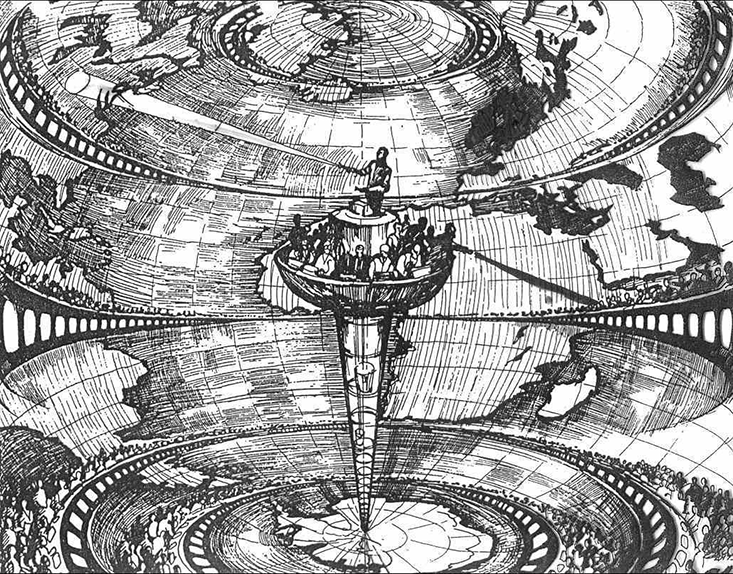
Richardson zag dus een theaterzaal voor zich met daarin computers (in de letterlijke zin van het woord: mensen die computeerden). Computers bestonden toen nog niet, maar dit is wel de manier waarop weermodellen nu werken: in elke gridcel berekent en set differentiaalvergelijking alle parameters en communiceert die met de omliggende cellen (in 3D). Geniaal en revolutionair dus!
Richardson heeft in 1910 nog een poging gedaan om zelf het weer vooruit te berekenen. Zijn berekeningen klopten niet om dat het ontbrak aan "smoothing" technieken en dus leverden zijn resultaten onrealistische toenames in druk. Als hij wel die smoothing had toegepast, waren zijn berekeningen zo gek niet, bleek later. Dit dus allemaal met de hand, zonder computers.
Nog net voor Richardsons dood werd voor het eerst een moderne computer gebruikt voor een weersvoorspelling. De berekening duurde bijna net zo lang als de werkelijkheid (de 24-uurs voorspelling duurde bijna 24 uur om te berekenen).
Dit hele verhaal is terug te lezen op wikipedia, lees het eens door. Ik vind het fascinerend.
Richardson (1881-1953) was mathematicus en in zijn tijd keken metorologen naar weerkaarten en extrapoleerden de ontwikkelingen daarop om tot een verwachting te komen. Richardson dacht dat hier een numerieke aanpak beter zou kunnen slagen, dat wil zeggen het fysisch beschrijven van het weer in methematische termen of differentiaalvergelijkingen.
Een citaat van hem in 1922 uit Weather Prediction by Numerical Process (te vinden op wikipedia):
After so much hard reasoning, may one play with a fantasy? Imagine a large hall like a theatre, except that the circles and galleries go right round through the space usually occupied by the stage. The walls of this chamber are painted to form a map of the globe. The ceiling represents the north polar regions, England is in the gallery, the tropics in the upper circle, Australia on the dress circle and the Antarctic in the pit.
A myriad computers are at work upon the weather of the part of the map where each sits, but each computer attends only to one equation or part of an equation. The work of each region is coordinated by an official of higher rank. Numerous little "night signs" display the instantaneous values so that neighbouring computers can read them. Each number is thus displayed in three adjacent zones so as to maintain communication to the North and South on the map.
From the floor of the pit a tall pillar rises to half the height of the hall. It carries a large pulpit on its top. In this sits the man in charge of the whole theatre; he is surrounded by several assistants and messengers. One of his duties is to maintain a uniform speed of progress in all parts of the globe. In this respect he is like the conductor of an orchestra in which the instruments are slide-rules and calculating machines. But instead of waving a baton he turns a beam of rosy light upon any region that is running ahead of the rest, and a beam of blue light upon those who are behindhand.
Four senior clerks in the central pulpit are collecting the future weather as fast as it is being computed, and despatching it by pneumatic carrier to a quiet room. There it will be coded and telephoned to the radio transmitting station. Messengers carry piles of used computing forms down to a storehouse in the cellar.
In a neighbouring building there is a research department, where they invent improvements. But there is much experimenting on a small scale before any change is made in the complex routine of the computing theatre. In a basement an enthusiast is observing eddies in the liquid lining of a huge spinning bowl, but so far the arithmetic proves the better way. In another building are all the usual financial, correspondence and administrative offices. Outside are playing fields, houses, mountains and lakes, for it was thought that those who compute the weather should breathe of it freely.
Richardson zag dus een theaterzaal voor zich met daarin computers (in de letterlijke zin van het woord: mensen die computeerden). Computers bestonden toen nog niet, maar dit is wel de manier waarop weermodellen nu werken: in elke gridcel berekent en set differentiaalvergelijking alle parameters en communiceert die met de omliggende cellen (in 3D). Geniaal en revolutionair dus!
Richardson heeft in 1910 nog een poging gedaan om zelf het weer vooruit te berekenen. Zijn berekeningen klopten niet om dat het ontbrak aan "smoothing" technieken en dus leverden zijn resultaten onrealistische toenames in druk. Als hij wel die smoothing had toegepast, waren zijn berekeningen zo gek niet, bleek later. Dit dus allemaal met de hand, zonder computers.
Nog net voor Richardsons dood werd voor het eerst een moderne computer gebruikt voor een weersvoorspelling. De berekening duurde bijna net zo lang als de werkelijkheid (de 24-uurs voorspelling duurde bijna 24 uur om te berekenen).
Dit hele verhaal is terug te lezen op wikipedia, lees het eens door. Ik vind het fascinerend.
Bericht laatst bijgewerkt: 31-01-2017 11:28