ref vorige berichten over warmere Baltische Zee
Bericht van: Jeroen (Centr A`pen) , 09-02-2007 21:39
Ik las net een aantal interessante bedenkingen over de eventuele gevolgen van opwarmende zeeen ten NO van ons. Op zich geeft volgend overzicht niet de antwoorden die we zoeken, maar t geeft wel bijkomend inzicht in wat welke gevolgen wel zeker zijn. Sommige positief andere minder leuk voor de winterliefhebbers in die regio.
Enkel in t Engels beschikbaar. Kort samengevat, over een tijdspanne van 100 jaar is er een daling van t zeeijs in die regio van 60%.
Baltic ice decreasing
Ice is a clear indicator of climate change. The Baltic Sea will continue to freeze occasionally even in the future, but far less frequently than it does today. Calculations show a 65% reduction in ice proliferation in 100 years' time.
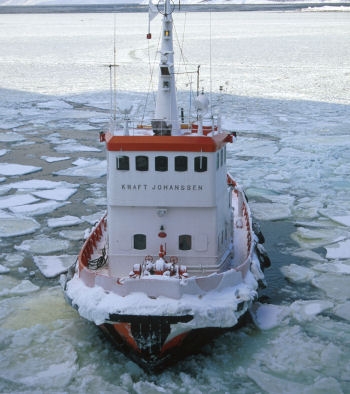
With the current climate, the Baltic ice season generally runs from mid-November to May. In a normal winter the waters around Sweden's east coast freeze, as well as the Gulf of Riga, the Gulf of Finland and the entire sea northwards. However, this varies greatly from year to year, and historical records show continuous fluctuation. The one exception is during the Little Ice Age of the 19th century.
“Ice is a clear indicator of regional climate change, as its proliferation is an easy way of gauging winter temperatures over large areas,” says Markus Meier, an oceanographer at SMHI.
In the future, the ice in the Baltic Sea will recede. According to scenarios produced at SMHI, this recession could average around 65% in 100 years' time. This means that during a normal winter, there would only be ice in the far north and along the coastal reaches of northern Sweden and Finland, and along the coast of the Gulf of Finland.
“Our scenario calculations show very clear indications of less ice. It is however uncertain how great the change will be, depending on climate development and future emissions of greenhouse gases. Having said that, even if the ice decreases significantly, the Baltic will still freeze over some winters,” Markus Meier explains.
There are many factors that affect winter freezing. Temperature is of course the main one, but wind, ocean currents and spring solar radiation also have an impact.
But what does the fact that the Baltic will not freeze to the same extent really mean? Less ice does of course have its advantages for shipping, but there could be more adverse effects for organic life. Ice has a major impact on aquatic life, as it insulates against solar radiation and reduces water mixture.
Alongside Finnish biologists, SMHI has been studying ringed seals. Ringed seals depend on ice for raising their young. The seal populations in the far north would not be affected in a future scenario, but those in the Åland Sea and the Gulf of Riga are facing an uncertain future.
The ice cover in the Baltic does not appear to affect long-term climate development on land, unlike the large areas of ice in the Arctic, where the massive increase in heat as the ice vanishes has far-reaching consequences. Open water does not reflect heat back into the atmosphere, but absorbs it. On the other hand ice, and especially snow-covered ice, reflects the heat back into the air. As the ice sheet recedes in the future it will therefore produce an accelerating effect; the more open water, the more heat.
In the Baltic Sea, day-to-day weather development could change if there is more open sea rather than ice. As extremely cold air spreads over open sea, heat and moisture are added to the air. The result is powerful snow squalls that form in bands in the direction of the wind. The farther the air travels over open water, the more powerful the squalls. When the snow squalls reach the Swedish coast, they grow even stronger and snow can fall heavily on the coastal regions. One example of this enormous snow cannon was seen in December 1998, when 1.5 metres of snow fell on Gävle in a short space of time. The island of Gotland and the Småland coast further south also encounter this phenomenon from time to time.
“Ice is an important factor in winter weather, effectively placing a lid over the relatively warm water. Once the sea has frozen we enjoy considerably drier, more stable weather,” says Jonas Höglund, a meteorologist at SMHI.
Enkel in t Engels beschikbaar. Kort samengevat, over een tijdspanne van 100 jaar is er een daling van t zeeijs in die regio van 60%.
Baltic ice decreasing
Ice is a clear indicator of climate change. The Baltic Sea will continue to freeze occasionally even in the future, but far less frequently than it does today. Calculations show a 65% reduction in ice proliferation in 100 years' time.
With the current climate, the Baltic ice season generally runs from mid-November to May. In a normal winter the waters around Sweden's east coast freeze, as well as the Gulf of Riga, the Gulf of Finland and the entire sea northwards. However, this varies greatly from year to year, and historical records show continuous fluctuation. The one exception is during the Little Ice Age of the 19th century.
“Ice is a clear indicator of regional climate change, as its proliferation is an easy way of gauging winter temperatures over large areas,” says Markus Meier, an oceanographer at SMHI.
In the future, the ice in the Baltic Sea will recede. According to scenarios produced at SMHI, this recession could average around 65% in 100 years' time. This means that during a normal winter, there would only be ice in the far north and along the coastal reaches of northern Sweden and Finland, and along the coast of the Gulf of Finland.
“Our scenario calculations show very clear indications of less ice. It is however uncertain how great the change will be, depending on climate development and future emissions of greenhouse gases. Having said that, even if the ice decreases significantly, the Baltic will still freeze over some winters,” Markus Meier explains.
There are many factors that affect winter freezing. Temperature is of course the main one, but wind, ocean currents and spring solar radiation also have an impact.
But what does the fact that the Baltic will not freeze to the same extent really mean? Less ice does of course have its advantages for shipping, but there could be more adverse effects for organic life. Ice has a major impact on aquatic life, as it insulates against solar radiation and reduces water mixture.
Alongside Finnish biologists, SMHI has been studying ringed seals. Ringed seals depend on ice for raising their young. The seal populations in the far north would not be affected in a future scenario, but those in the Åland Sea and the Gulf of Riga are facing an uncertain future.
The ice cover in the Baltic does not appear to affect long-term climate development on land, unlike the large areas of ice in the Arctic, where the massive increase in heat as the ice vanishes has far-reaching consequences. Open water does not reflect heat back into the atmosphere, but absorbs it. On the other hand ice, and especially snow-covered ice, reflects the heat back into the air. As the ice sheet recedes in the future it will therefore produce an accelerating effect; the more open water, the more heat.
In the Baltic Sea, day-to-day weather development could change if there is more open sea rather than ice. As extremely cold air spreads over open sea, heat and moisture are added to the air. The result is powerful snow squalls that form in bands in the direction of the wind. The farther the air travels over open water, the more powerful the squalls. When the snow squalls reach the Swedish coast, they grow even stronger and snow can fall heavily on the coastal regions. One example of this enormous snow cannon was seen in December 1998, when 1.5 metres of snow fell on Gävle in a short space of time. The island of Gotland and the Småland coast further south also encounter this phenomenon from time to time.
“Ice is an important factor in winter weather, effectively placing a lid over the relatively warm water. Once the sea has frozen we enjoy considerably drier, more stable weather,” says Jonas Höglund, a meteorologist at SMHI.
Bericht laatst bijgewerkt: 09-02-2007 21:40